
Easy Wellness Wins for London Adults to Boost Energy and Mood
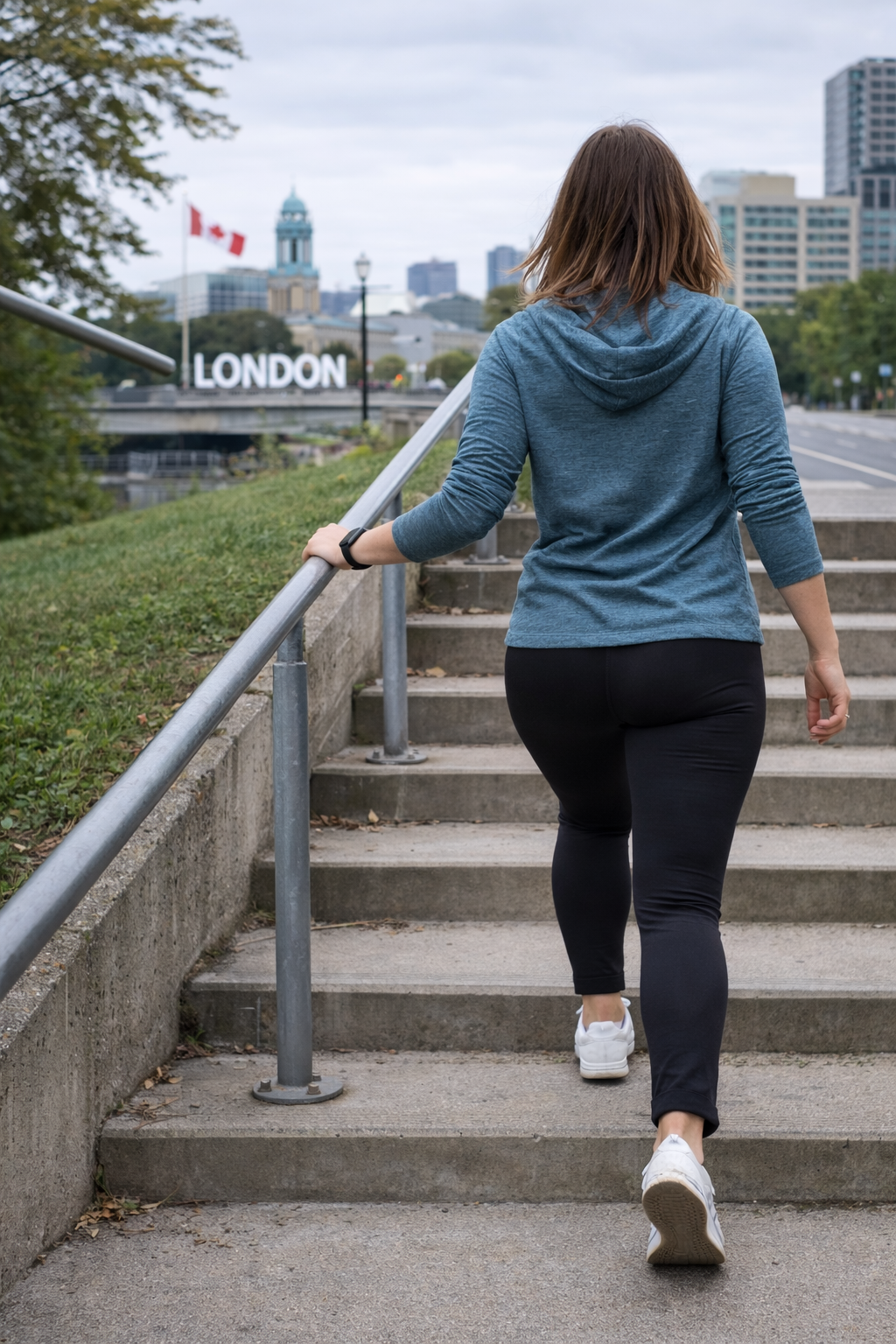
For busy adults in London juggling commutes, desk days, and packed diaries, wellness can start to feel like one more thing to manage. The biggest snag is often nutrition confusion, conflicting advice, trendy rules, and health concerns that make everyday choices feel stressful instead of supportive. Add common wellness challenges like low energy, restless sleep, and mood dips, and even simple daily well-being goals can slip away. This health improvement journey is about steady wins that fit real London life and help mornings feel easier.
Understanding Holistic Well-Being
Holistic well-being means your energy and mood come from a few key areas working together, not one perfect habit. Nutrition basics fuel your body, exercise supports your brain and stamina, and self-care helps you recover and stay steady under pressure. When those pieces connect, the small changes add up faster than any quick fix.
This matters because focusing on food alone can still leave you flat if you are under-slept or barely moving. Many adults are already stretched, and 1 in 2 adults have had their mental well-being negatively affected, so recovery habits are not optional extras. Even better, combined exercise-psychological interventions produced the largest effect, showing that pairing actions often works best.
Think of it like charging a phone. Food is the battery, movement is the power-saving settings, and self-care is closing the apps draining the charge. Do one, and you improve a bit; do all three, and you stay powered for longer.
Try These 10 Everyday Upgrades for Energy and Mood
Busy London days don’t need a full lifestyle overhaul to feel better. Think small, realistic upgrades that connect the dots between food, movement, and self-care, because each one makes the others easier.
Turn movement into “snack-sized” sessions: Aim for three 10-minute bursts most days, brisk walking to the station, stairs, or a quick home circuit (squats, wall push-ups, marching in place). Hitting the 150 minutes target across a week is easier when you stop treating exercise like a single big event. More daily movement often means a steadier mood and fewer afternoon energy crashes.
Pick an activity you’ll actually repeat: Consistency beats intensity, especially at the beginning. Use the “would I do this again?” test and choose something that feels fun or recreational, a dance class, a swim, a weekend cycle, or even an upbeat playlist walk. If you don’t dread it, you’re far more likely to keep going long enough to notice the energy and mood payoff.
Build a protein + fibre breakfast in 5 minutes: This is a simple nutrition win that supports stable energy. Try Greek-style yogurt plus fruit and oats, eggs on wholegrain toast with tomatoes, or overnight oats with chia and milk. The goal is fewer “hangry” spikes mid-morning and a steadier mood because your blood sugar stays more even.
Use the “two veg” rule at lunch and dinner: Add two handfuls of veg to whatever you’re already eating, bagged salad plus cherry tomatoes, frozen mixed veg stirred into noodles, or a side of microwaved greens with a ready meal. This boosts fibre and micronutrients without complicated cooking, and it nudges your plate toward that holistic sweet spot: better digestion, better energy, better resilience.
Create an ‘office survival’ snack plan: Keep two options available so you’re not at the mercy of biscuits and vending machines. Good beginner-friendly picks: a banana and a handful of nuts, hummus with carrots, or cheese with wholegrain crackers. Planning once reduces daily decision fatigue, a sneaky form of self-care that protects your mood.
Do a 2-minute nervous-system reset daily: Set a timer, drop your shoulders, and try slow breathing: inhale for 4, exhale for 6, repeat. If you can, add daylight, step outside for a lap around the block. This is the self-care piece that helps your nutrition and exercise habits “stick” because you’re less stressed and less likely to reach for quick fixes.
Start a hobby with the ‘tiny commitment’ method: Choose something that fits real schedules: 15 minutes of sketching, a beginner language notebook, a weekly community class, or a Sunday park run group. Keep the goal embarrassingly small for the first two weeks, showing up matters more than being good. New hobbies add joy and social connection, which can lift mood as much as any single wellness hack.
Habits That Make Wellness Feel Automatic
When you’re juggling busy London life, habits beat hype because they remove daily decision fatigue. Use simple wellness routines and nutrition cues that build momentum over time, so better energy and mood feel like the default.
Stack One Health Cue
What it is: Use the habit stacking definition by pairing one habit with coffee or brushing teeth.
How often: Daily.
Why it helps: It turns discipline into a trigger you already repeat.
Protein First at Meals
What it is: Start lunch and dinner by serving a palm-sized protein before carbs.
How often: Most days.
Why it helps: It supports steadier energy and fewer sudden cravings.
Water Before Caffeine
What it is: Drink a full glass of water before your first tea or coffee.
How often: Daily.
Why it helps: It can reduce sluggishness that feels like “needing more caffeine.”
Two-Colour Produce Add-On
What it is: Add two different-coloured fruits or veg to what you already eat.
How often: Daily.
Why it helps: More fibre and micronutrients can lift digestion and mood.
Screen-Off Wind-Down
What it is: Set a 10-minute no-screen buffer before bed for reading or stretching.
How often: 4 nights weekly.
Why it helps: Better sleep often improves appetite control and mood.
Quick Answers for Everyday Wellness Questions
Q: What are some simple daily exercises to boost my overall well-being?A: Aim for 10 to 20 minutes of brisk walking, stair climbs, or a short bodyweight circuit (squats, wall push-ups, gentle planks). Add two minutes of mobility for hips, shoulders, and ankles to feel looser fast. Keep it easy enough that you will do it even on tired days.
Q: How can I create a self-care routine that fits into a busy schedule?A: Pick a “minimum version” you can complete in five minutes: water, daylight, and one nourishing snack. Because about 40% of our everyday behavior repeated in the form of habits, tiny repeatable actions can beat occasional big efforts. Put the routine on a sticky note where you will see it.
Q: What are the key nutritional principles to follow for feeling my best every day?A: Build meals around protein, fibre, and colour, then add carbs that suit your appetite and activity. Keep added sugar in check, since guidance to limit added sugar consumption can help steady energy and reduce cravings. If you are stuck, start by upgrading just one meal per day.
Q: How can starting a new hobby improve my mental and physical health?A: A hobby gives your brain a break from problem-solving and can lift mood through novelty and progress. Choose something with light movement or social connection, like dancing, gardening, or a casual sports session. Start with one weekly slot so it feels like a treat, not another task.
Q: What nutritional guidance does your service offer for people in London struggling with chronic health issues and confusion about their diet?A: We focus on clear, personalised nutrition basics you can actually use: simple meal structure, realistic food swaps, and symptom-aware tracking without obsessing. You will leave with one priority habit and a quick reminder you can print, since a visual prompt can represent a task and keep you consistent. That quick reminder could be a printable poster. We also help you spot misinformation and create a plan you can stick to.
Turn Small Nutrition Habits Into Better Energy and Mood
London life can make good intentions feel like a constant tug-of-war between convenience, cravings, and low energy. The most reliable way through is the approach you’ve been building: small, realistic choices that support a positive health mindset, backed by empowering health reflections instead of all-or-nothing rules. Over time, that steadiness builds wellness journey motivation, a calmer relationship with food, and a commitment to well-being that actually sticks for long-term lifestyle change. One small change, repeated often, beats big plans that never happen. Choose one habit prompt from your quick answers and place it where you’ll see it today. That simple follow-through matters because it strengthens everyday resilience, so energy, mood, and health feel more stable week to week.