“I’m not stressed…” are you sure?
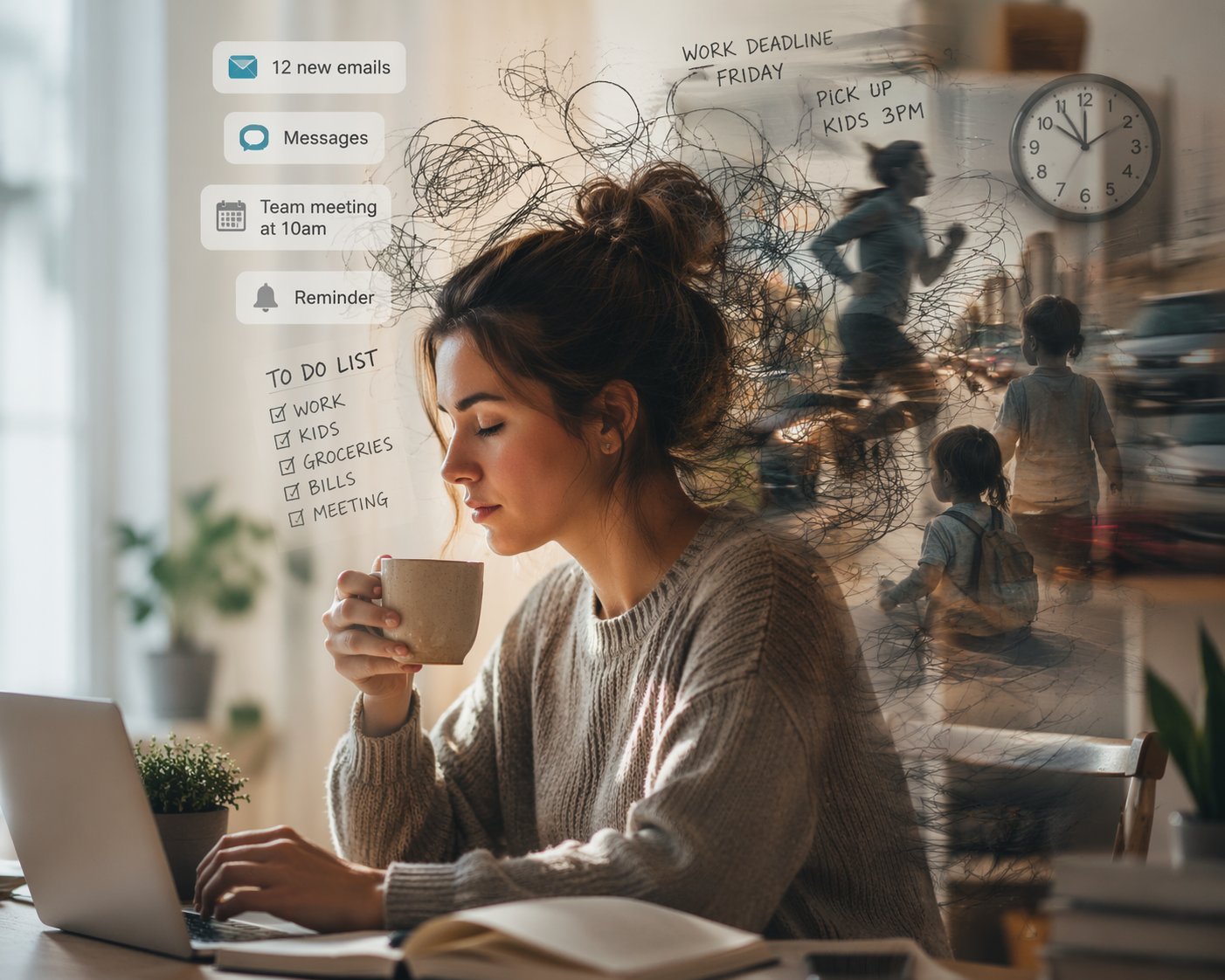
“I’m not stressed.”
I hear this all the time.
And I get it, because when most people think of stress, they think of snapping, yelling, being completely overwhelmed, on the edge of burnout.
That’s what we’ve been taught stress looks like.
But that’s actually the extreme end of the spectrum.
Most people aren’t there.
Most people are just… functioning.
Getting through the day.
Ticking the boxes.
Handling what’s in front of them.
And because they’re coping, they assume they’re fine.
But here’s the reality
If you’re not living on a beach somewhere with nothing to think about, nowhere to be, and someone else handling your responsibilities…
You’re dealing with stress.
Work, kids, schedules, finances, expectations, constant notifications, never really switching off…
That is stress.
You might not feel it in an obvious way, but your body is still responding to it.
What stress actually does in the body
Your body doesn’t know the difference between:
A deadline
A tough conversation
Running late
Or a life-threatening situation
It responds the same way.
It shifts into fight or flight.
And when that happens, your body prioritizes survival.
That means:
Blood flow is redirected to your arms and legs
Your heart rate increases
Your breathing changes
And your body focuses on getting you out of “danger”
Great if you’re running from something.
Not so great when you’re just trying to live your life.
Here’s where it starts to matter
When your body is in that state regularly (which most people are), it doesn’t prioritize things like:
Digestion
Nutrient absorption
Hormone balance
Long-term repair
So you can be:
Eating well
Taking supplements
Going to the gym
…and still not seeing results.
Because your body isn’t in a state where it can actually use what you’re giving it.
This is why “I’m doing everything right” feels so frustrating
You’re putting the effort in.
But your body is stuck in a mode that doesn’t support the outcome you want.
And no one is talking about it.
Instead, you’re told to:
Try harder
Be more consistent
Push yourself more
When in reality… you might need the opposite.
What “chronic stress” can actually look like
Not breakdowns.
Not panic attacks.
Just everyday things like:
Feeling tired but wired
Struggling with digestion or bloating
Craving sugar or caffeine
Waking up in the night
Feeling like your brain is foggy
Getting sick more often than you’d like
Nothing dramatic.
Just enough to feel a bit off… all the time.
So what do you do with this?
I’m not going to tell you to “remove stress” from your life.
That’s not realistic.
But what you can do is create small moments where your body feels safe again.
That might look like:
Taking a few slow breaths before you eat
Stepping outside for 5 minutes
Sitting down instead of eating on the go
Giving yourself space without a screen
Simple things.
But they tell your body:
“You’re okay. You don’t need to fight right now.”
And that’s where healing actually starts.
The bottom line
You don’t have to feel overwhelmed to be stressed.
And just because you’re coping doesn’t mean your body isn’t under pressure.
If things feel harder than they should…
If your body isn’t responding the way you expect…
It might not be about doing more.
It might be about giving your body the space to actually catch up.
Because your body can do an incredible job…
But only when it’s not constantly being pushed into survival mode.